
At Mael Chiropractic in Allston, MA, Dr. Charles Mael often reminds athletes that a sports injury not only affects muscles or joints, it also impacts the nervous system that controls every movement. You may feel pain in your knee, shoulder, or back, but what is really happening goes deeper. Signals are being sent to your brain, protective responses are being triggered, and movement patterns are being altered. If those changes are not addressed, performance can suffer long after the initial injury seems to improve.
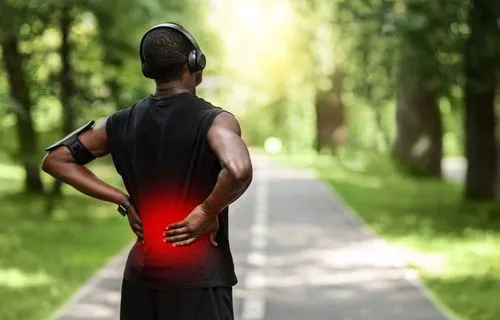
The Nervous System’s Role In Movement And Recovery
Your nervous system is the master controller of coordination, balance, strength, and reaction time. When a sports injury occurs, sensory receptors in the injured tissue send distress signals to the spinal cord and brain. As a result, muscles may tighten reflexively, joint mobility can decrease, and inflammation is often amplified. Protective guarding is created to limit further damage, but over time, this response can lead to stiffness, compensation patterns, and chronic discomfort. The injury may heal, yet faulty communication between the brain and body can persist.
How Compensation Patterns Develop
When one area is injured, surrounding structures take on an extra workload. For example, an ankle sprain may cause hip instability, or a shoulder strain may alter spinal mechanics. These adaptations are driven by the nervous system, which is constantly trying to maintain stability. However, compensations are not always efficient. Muscle imbalances are formed, movement becomes less fluid, and additional strain can be placed on healthy tissues. Without proper sports injury treatment, these patterns can become ingrained.
Why Early Intervention Matters
Prompt evaluation helps ensure that both the mechanical injury and the neurological response are addressed. At Mael Chiropractic, Dr. Mael assesses spinal alignment, joint mobility, posture, and neuromuscular control. Gentle chiropractic adjustments are used to restore motion and reduce nerve irritation. When joint movement is improved, clearer signals can be transmitted through the nervous system. Therapeutic exercises are then prescribed to reinforce proper motor patterns. This combination approach allows healing to occur while retraining the body for long-term resilience.
The Spine And Athletic Performance
The spine houses and protects the spinal cord, which acts as the communication highway between your brain and body. If spinal segments are restricted or irritated after a sports injury, performance may be affected even if pain is minimal. Reaction time can slow, coordination may decline, and strength output might be reduced. By addressing spinal health, we help restore optimal nerve flow, ensuring athletes move efficiently and confidently again.
Partner With A Chiropractor Near You In Allston, MA
If you are searching for a chiropractor near you who understands the neurological impact of athletic injuries, Mael Chiropractic in Allston, MA, is here to help. Call our office today at (617) 787-8700 to schedule your appointment with Dr. Mael and take the first step toward balanced recovery and a stronger return to the activities you love.
